

World Building 101: Creating Immersive Settings for Your Story
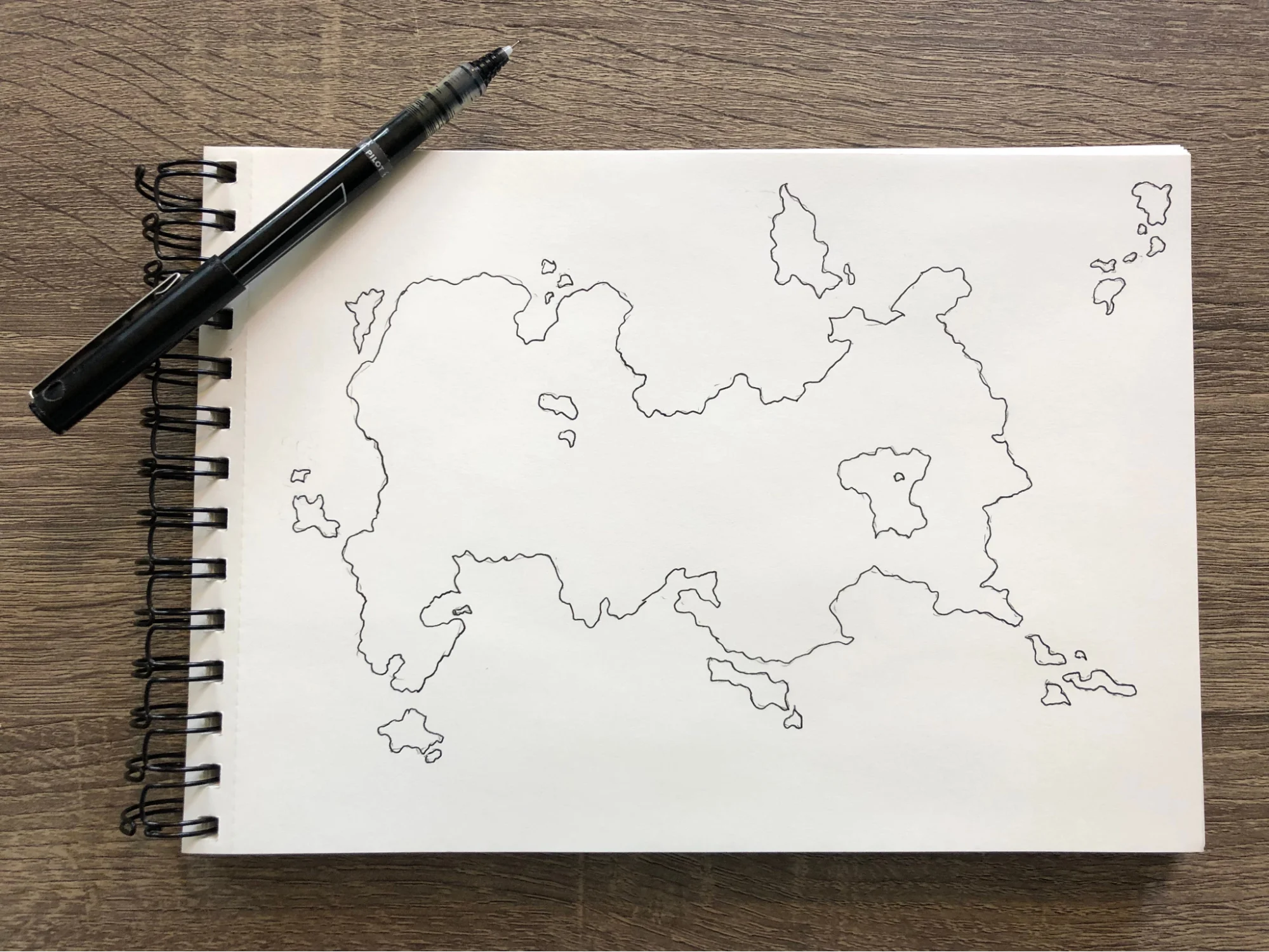
The world of Middle-earth. The galaxy far, far away. Hogwarts and its magical realm. These fictional settings feel so real that readers can almost smell the air and feel the ground beneath their feet. Great world building transforms stories from mere narratives into immersive experiences readers never want to leave.
At My Book Writers, we help authors create fictional worlds that captivate readers. Whether you’re writing fantasy, science fiction, or any genre that requires a unique setting, these world-building fundamentals will help you construct believable, immersive environments for your stories.
What Is World Building?
World building is the process of constructing a fictional universe with its own rules, history, geography, cultures, and systems. It encompasses everything from physical landscapes to social structures, from magic systems to economic realities. The goal is creating a setting that feels lived-in and consistent.
According to Brandon Sanderson, bestselling fantasy author, effective world building creates a sense that the world existed before the story began and will continue after it ends. Your world should feel bigger than the story you’re telling within it.
Start with the Story’s Needs
World building should serve your story, not overwhelm it. Begin by identifying what elements your plot and characters require. What environment shapes your protagonist? What conflicts arise from the setting? What unique aspects make this world essential to your story?
You don’t need to know everything about your world before writing. Build what you need for the story, then expand as necessary. Many authors discover their worlds through the writing process rather than extensive pre-planning.

Establish Physical Geography
Geography shapes civilizations. Mountains create natural barriers. Rivers enable trade and settlements. Climate affects everything from clothing to agriculture to warfare. Consider how your world’s physical features influence the people who live there.
Think about terrain, climate zones, natural resources, and how geography affects travel and communication. You don’t need to map every detail, but understanding the physical landscape helps you write more consistently and creates opportunities for plot elements rooted in setting.
Develop History and Lore
Every world has a past that shapes its present. Historical events explain current conflicts, alliances, and cultural attitudes. You don’t need to write a complete history textbook, but understanding key historical moments helps you write a world with depth.
Consider major wars, religious movements, technological developments, and catastrophes. Think about how different groups remember and interpret history differently. Conflicting historical narratives can drive compelling story conflict.
Create Cultures and Societies
Cultures encompass how people live, what they believe, how they organize, and how they relate to each other. Consider social hierarchies, family structures, gender roles, customs, taboos, and values. What do people celebrate? What do they fear?
Avoid creating monolithic cultures where everyone thinks and acts identically. Real societies contain diversity, subcultures, and internal conflicts. Show how different classes, regions, or generations within a culture might hold different views.
Design Magic or Technology Systems
If your world includes magic, advanced technology, or other special systems, establish clear rules for how they work. What can they do? What are their limitations? What costs or consequences come with their use?
Consistent rules prevent magic or technology from becoming convenient plot devices. Limitations create interesting challenges for characters. The more clearly you define your systems, the more creative you can be in using them for conflict and resolution.
Consider Economics and Politics
Economic and political systems drive much real-world conflict, and they can do the same in fiction. What resources do people value? How is wealth distributed? Who holds power, and how did they get it? What tensions exist between different groups?
You don’t need complex economic theory, but understanding basic power structures helps you create realistic conflicts and motivations. Consider how your world’s systems affect everyday people, not just rulers and heroes.
Add Sensory Details
Immersive worlds engage all the senses. What does your world smell like? What sounds fill its streets or forests? What textures and temperatures do characters encounter? Sensory details make fictional worlds feel tangible and real.
Consider unique sensory elements that distinguish your world. Perhaps a city smells of the spices traded in its markets. Maybe the air hums with magical energy. These distinctive details become memorable markers of your world’s identity.
Show, Don’t Dump
Resist the urge to explain your world in lengthy exposition. Readers don’t need history lessons or encyclopedic entries. Instead, reveal world-building details naturally through character experiences, dialogue, and story events.
Trust readers to piece things together. A character’s casual mention of a historical figure or cultural practice suggests a larger world without stopping the story for explanation. The iceberg principle applies: show ten percent, imply ninety percent.
Build Worlds That Readers Want to Explore
Great world building invites readers to imagine themselves in your creation. It provides enough detail to feel real while leaving room for wonder and discovery. When readers finish your book wishing they could visit your world, you’ve succeeded.
Need help building your fictional world? At My Book Writers, we help authors develop rich, immersive settings for their stories. Contact us today to discuss your project. From concept development to full manuscript creation, our team will help you build worlds that readers never want to leave. Let’s create something extraordinary together!

