

Creating Character Motivations That Drive Stories
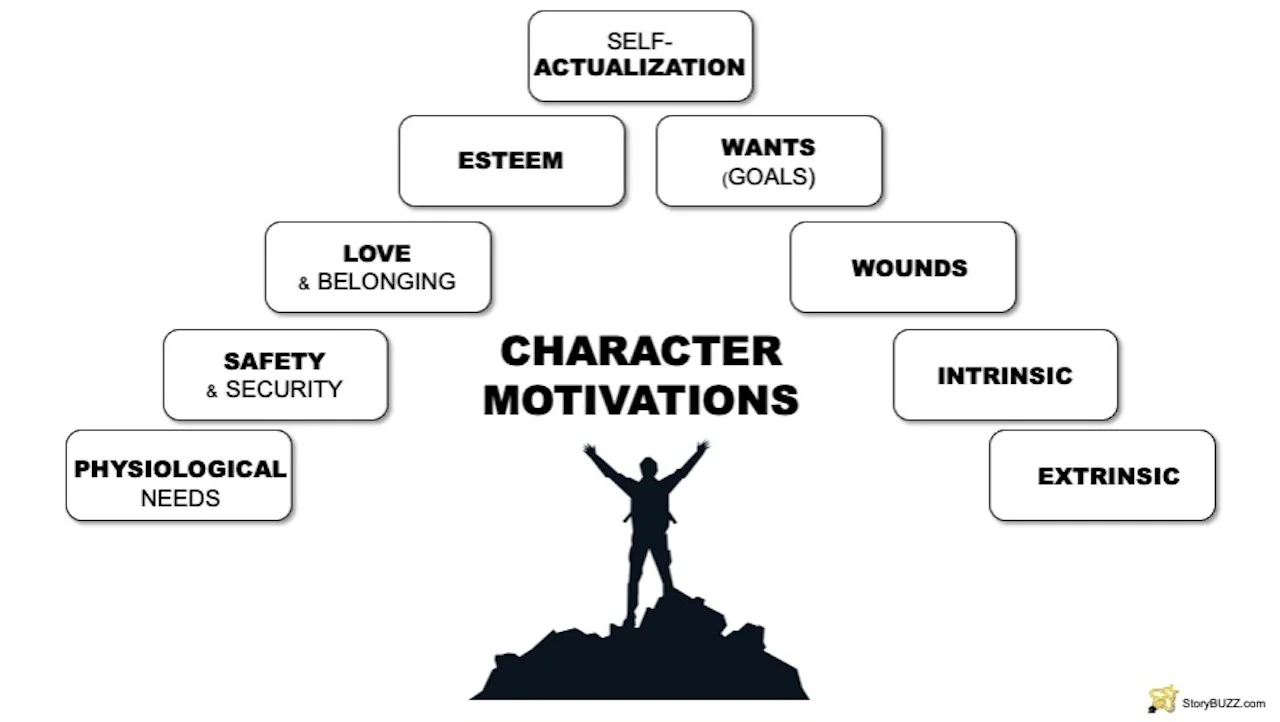
Characters without motivation are puppets. They move when the plot requires but never feel alive. Strong motivation transforms characters into people with agency—driving stories forward through their own desires and choices rather than authorial convenience.
At My Book Writers, we help authors create compelling characters. Let’s explore how to build motivations that power your stories.
Distinguish Wants from Needs
According to K.M. Weiland, characters have both external wants and internal needs. Wants are conscious goals: win the competition, solve the mystery, find the treasure. Needs are deeper, often unconscious: learn to trust, overcome fear, accept themselves.
The tension between wants and needs creates compelling arcs. A character might want revenge but need forgiveness. Their journey involves pursuing the want while eventually discovering the need.
Make Motivations Urgent
Vague motivations produce passive characters. “Wants to be happy” doesn’t drive action. “Must escape the city before her visa expires tomorrow” does. Specificity and urgency force characters to act, creating story momentum.
What happens if they fail? The higher the stakes, the stronger the motivation. Readers invest when failure costs characters something real.
Root Motivation in Backstory
Present motivations grow from past experiences. Why does she need to prove herself? What happened that made trust so difficult? Backstory explains motivation without excusing behavior—showing where drives originated.
You don’t need to explain everything to readers. But you need to know. Character history informs how they pursue goals even when that history remains implicit.
Create Conflicting Motivations
Real people want contradictory things. Career success and family time. Independence and intimacy. Justice and mercy. Internal conflict makes characters feel dimensional. Their struggles become interesting because the answer isn’t obvious.
External conflicts between characters with opposing motivations drive plot. Internal conflicts within characters drive transformation.
Show Motivation Through Action
Don’t just tell readers what characters want—show them pursuing it. The risks they take, sacrifices they make, and choices they face reveal motivation more powerfully than any description. Action proves desire.
How far will they go? What lines won’t they cross? Behavior under pressure reveals true priorities.

Evolve Motivation Over Time
Static motivation produces flat arcs. As characters experience your story, their understanding shifts. Initial goals may be abandoned, replaced, or transformed. The want they started with might not be the want they end with.
Track how story events impact motivation. Victories, defeats, revelations, and relationships should all influence what characters pursue.
Motivate All Characters
Antagonists need motivation too—ideally motivation readers understand even if they disagree. Side characters pursuing their own goals create richer worlds than cardboard figures serving the protagonist.
When everyone wants something, scenes crackle with agenda collision. Stories become ensemble efforts rather than solo journeys.
Test Your Motivations
Ask: would this character really do this? If plot requires behavior that contradicts established motivation, something’s wrong. Either strengthen motivation until the action makes sense, or change the plot to match the character.
Let Characters Drive
Well-motivated characters generate their own stories. They take action because they want things. They face consequences because those actions have costs. Motivation is the engine that makes stories move.
Need help developing your characters? At My Book Writers, we create characters readers can’t forget. Contact us today to discuss your manuscript. Let’s build characters that drive your story!

