

Structuring Chapters for Maximum Reader Engagement
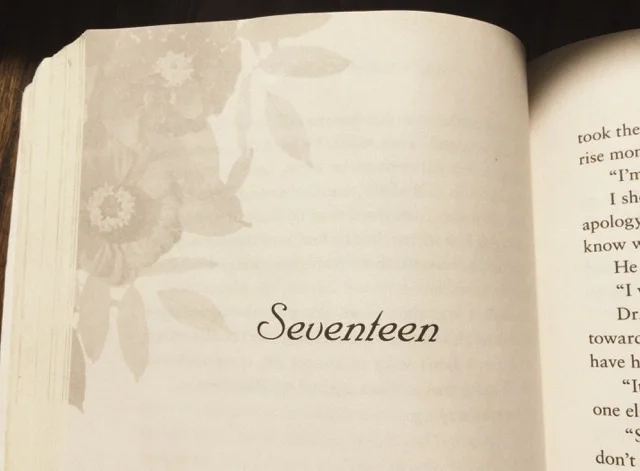
Chapter breaks are promises and invitations. They give readers natural stopping points while simultaneously pulling them forward. How you structure chapters affects reading rhythm, engagement, and that critical decision: put the book down or keep going.
At My Book Writers, we help authors structure compelling narratives. Let’s explore how to design chapters that keep readers engaged.
Match Genre Expectations
According to Writer’s Digest, different genres have different chapter conventions. Thrillers often use short, punchy chapters that create urgency. Literary fiction may use longer chapters for immersion. Romance commonly alternates perspectives chapter by chapter. Know what your readers expect.
Breaking conventions can work—but break them deliberately, not accidentally. Readers arrive with expectations; surprising them requires understanding what you’re surprising them from.
End Chapters with Purpose
Chapter endings determine whether readers continue or stop. Cliffhangers create urgency to continue. Resolution provides satisfaction. Questions raised demand answers. Each ending should serve your pacing goals for that moment.
Not every chapter needs a cliffhanger. Constant manufactured urgency exhausts readers. Mix dramatic endings with satisfying ones—but ensure even resolved endings contain forward momentum.

Start Chapters Strong
Chapter openings recapture attention. After a break—whether minutes or days—readers return needing re-engagement. Strong openings pull them immediately into the scene rather than easing them back slowly.
Starting mid-action, with dialogue, or with immediate conflict works better than lengthy scene-setting. Get into the scene; orient readers through action rather than description.
Consider Chapter Length
Shorter chapters create faster perceived pacing. Longer chapters allow deeper immersion. Varying length prevents monotony—some chapters sprint, others breathe. Let content dictate length rather than forcing arbitrary consistency.
Very short chapters (1-3 pages) can punctuate key moments with impact. Very long chapters risk losing readers without natural break points. Most chapters fall somewhere between.
Use Scene Breaks Wisely
Scene breaks within chapters allow time jumps, perspective shifts, or location changes without chapter breaks. They provide micro-breathing room while maintaining chapter unity. Use them when you need separation but not the full pause of a new chapter.
Structure Multi-POV Books
Books with multiple viewpoint characters need clear POV transitions. Chapters are natural transition points—readers expect perspective changes at chapter breaks. Label POV clearly when switching. Unannounced perspective shifts confuse and frustrate.
Balance screen time among POV characters intentionally. Readers invest in whoever appears most; neglected viewpoints feel like interruptions.
Build Toward Setpieces
Structure chapters to build toward key scenes. Rising action should culminate within chapters, not span awkwardly across breaks. Major revelations, confrontations, and turning points deserve properly built chapters that contain their full impact.
Chapter Titles
Chapter titles are optional but can serve purposes: creating intrigue, establishing POV, indicating setting, or simply providing navigation. Numbered chapters without titles keep focus on content. Titled chapters add another expressive layer.
Keep Them Turning Pages
Chapter structure is invisible when done well—readers simply can’t stop. Each break makes them think “just one more chapter” rather than “good stopping point.” Structure your chapters to make continuing irresistible.
Need help structuring your book? At My Book Writers, we craft narratives that readers can’t put down. Contact us today to discuss your manuscript. Let’s structure success!

